
Family Immigration Visas in South Florida
An Immigration-Only Firm Serving the Treasure Coast & Palm Beach County
Family-based immigration allows U.S. citizens and lawful permanent residents to petition for qualifying relatives to live and work permanently in the United States. The process involves eligibility rules, multi-step government filings, and timelines that shift based on visa category and country of birth. One missed document or an incorrect form can delay a case by months. Working with a focused family visa attorney in South Florida from the start helps avoid those setbacks.
At The Gaston Law Firm, P.A., immigration law is all we do. We’ve spent a decade building familiarity with USCIS processes, consular procedures, and the practical realities of family immigration cases in Martin County, St. Lucie County, Indian River County, Okeechobee County, and Palm Beach County. Our Avvo rating of 10.0 Superb and membership in the American Immigration Lawyers Association reflect that commitment. When a case involves a client’s criminal history, we collaborate with criminal defense attorneys to make sure nothing is overlooked.
Ready to start your family’s immigration case? Contact us at (888) 388-6859 to schedule a case evaluation.
K-1 Fiancé Visa: Bringing Your Fiancé(e) to the U.S.
The K-1 nonimmigrant visa is the path for U.S. citizens who want to bring their fiancé(e) to the United States to marry. To begin, the U.S. citizen petitioner files Form I-129F, Petition for Alien Fiancé(e), with USCIS. K-2 visas are also available for the unmarried children under 21 of a K-1 holder, so the whole family can make the transition together.
K-1 eligibility requires all four of the following:
- The petitioner is a U.S. citizen
- Both parties intend to marry within 90 days of the fiancé(e)’s entry into the U.S.
- Both parties are legally free to marry, with no prior undissolved marriages
- Both parties have met in person at least once within the two years before filing, unless a cultural exception or extreme hardship applies
Once the K-1 visa is granted and your fiancé(e) enters the U.S., the marriage must take place within 90 days. After the wedding, your spouse may apply for lawful permanent residence and remain in the U.S. throughout the adjustment of status process. We guide clients through every stage of this sequence, from the initial petition through the green card application.

-
How We Can Help You?
"Building American Futures" - The Gaston Law Firm, P.A.
-
 Immigration
 -
Fiancé Visa
-
Parent/Children
-
Spouses Visas
-
Children Visas (Sons & Daughters)
-
Sibling Visas





Petitioning for Your Spouse, Parent, or Child
Family-based visas fall into two categories. Immediate relative visas cover spouses, unmarried children under 21, and parents of U.S. citizens. These carry no annual cap, so approved petitions can move forward without waiting for a visa number to become available. Family preference visas cover a broader set of relationships, including the spouses and unmarried children of lawful permanent residents and the adult children and siblings of U.S. citizens. These are subject to annual limits and can involve significant wait times depending on the category and the applicant’s country of birth.
In both categories, the process begins with Form I-130, Petition for Alien Relative, filed by the U.S. citizen or lawful permanent resident sponsor. Lawful permanent residents may petition for their spouse and unmarried children but can’t sponsor parents or siblings under current law. If your family member lives outside the United States, the case proceeds through consular processing at a U.S. embassy or consulate in their home country. If they’re already lawfully present in the U.S., they may be eligible to file Form I-485 to adjust status without departing. Sponsors must also demonstrate household income of at least 125% of the federal poverty level by filing Form I-864, Affidavit of Support, as part of the application package.
Why Treasure Coast Families Choose The Gaston Law Firm, P.A.
Clients across Martin County, St. Lucie County, and the surrounding region choose us because our practice is built around immigration law. Family visa cases aren’t handled alongside unrelated practice areas here. Every case receives the concentrated attention of attorneys whose full professional focus is immigration. That means deeper familiarity with USCIS, more consistent monitoring of priority dates and visa bulletins, and a team that already understands how consular processing timelines work in practice.
We maintain open communication throughout each case, and clients who can’t travel to meet in person can connect with us by video conference. For families navigating immigration alongside a criminal history matter, our lead attorney’s background as a former prosecutor positions us to coordinate with criminal defense counsel in ways that support the immigration case. Our goal is straightforward: explore every avenue available to move your family’s case forward.
Start Your Family Visa Case Today
A family immigration case is too important to leave to chance. Whether you’re filing a fiancé visa petition, sponsoring a spouse for permanent residence, or petitioning for a parent or child, we can guide you through each step with a strategy built around your specific situation.
Begin your case by scheduling a case evaluation today.
(888) 388-6859


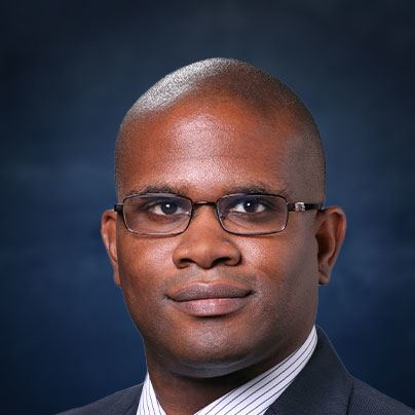
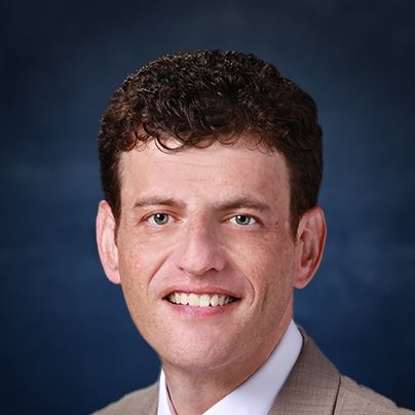
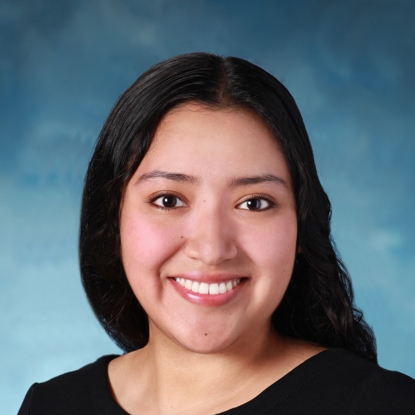
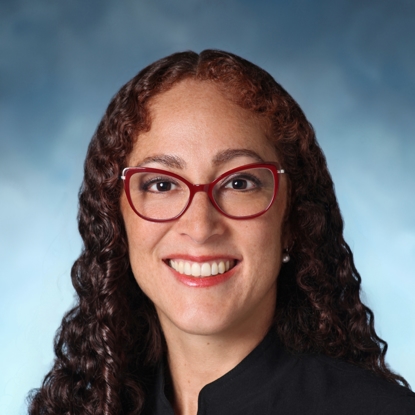
Your Dedicated Legal Team
Guiding You Every Step of the Way



Hear From Our Happy Clients
At The Gaston Law Firm, P.A., your satisfaction is our priority! See for yourself what our clients have to say about working with us.
-
"My case went from impossible to me having my residency."
I want to thank The Gaston Law Firm for the excellent service they provided. I could not have received my Alien/Residency ...
- Kelvin -
"Excellent Service!"
I want to thank Mr. Gaston and his staff for the excellent service they provide. Since we had our first appointment Mr. ...
- F. P. -
"Knowledgeable & Professional"
The Gaston Law Firm handled my citizenship application, were not only professional but detailed, and were there to answer any ...
- Jose Sosa